
In sport, victories are often measured in seconds, metres or points. Yet some of the most important races unfold far from the finish line and beyond the roar of the crowd.
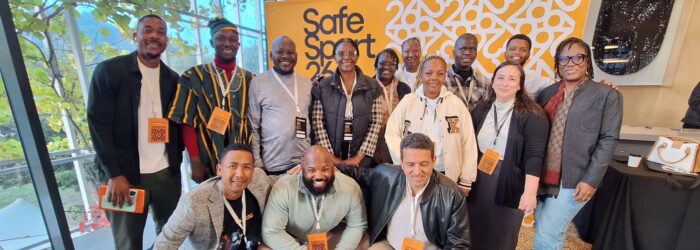
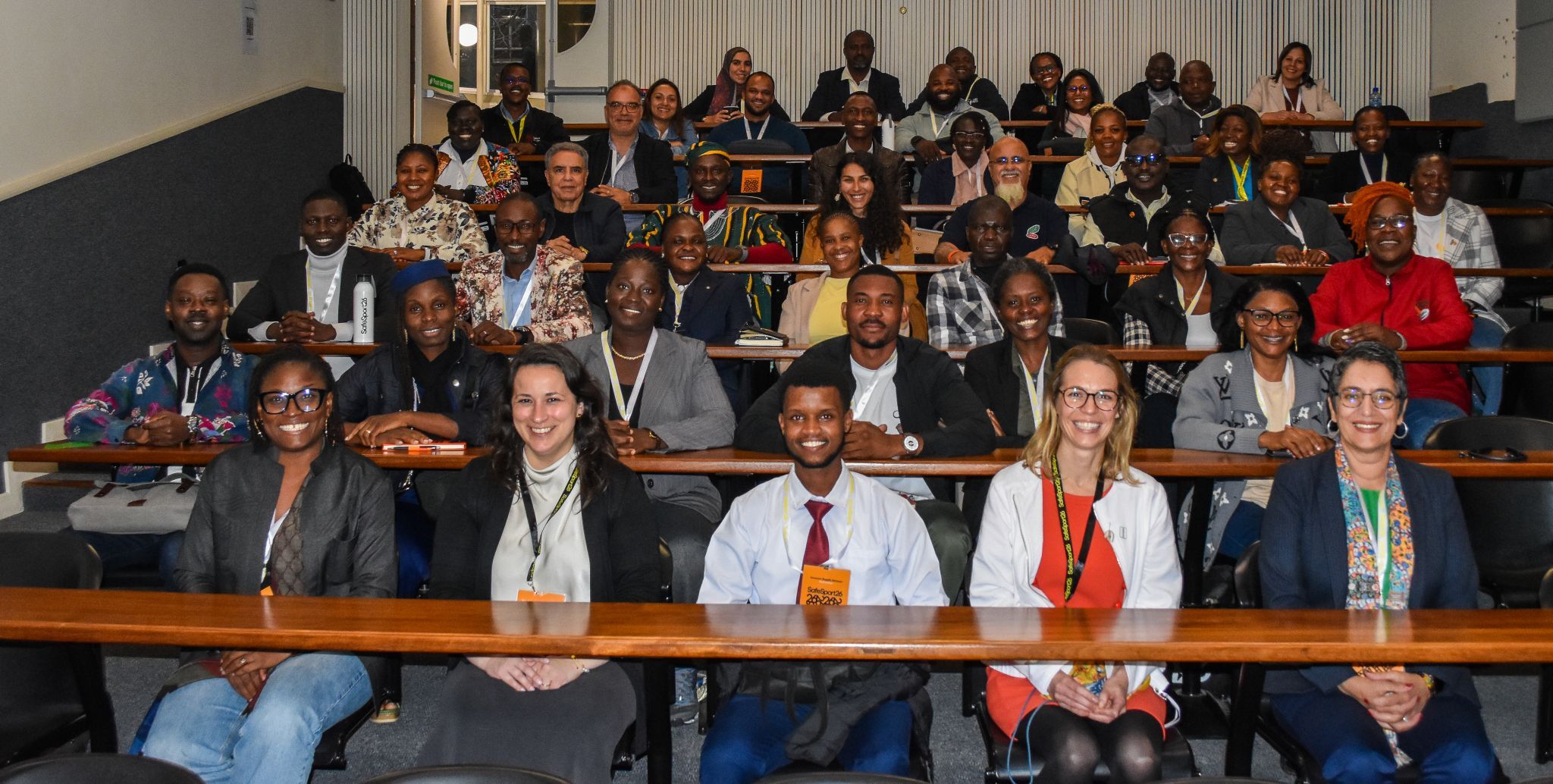
At the Safe Sport Global Conference in Cape Town, safeguarding emerged as the marathon that sport cannot afford to abandon. From 25 to 27 May, more than 400 delegates from around the world gathered at the University of Cape Town, where World Athletics and World Rugby formed a powerful partnership aimed at making sport safer for every athlete, coach and participant.
The timing carried symbolic weight. Opening on Africa Day, the conference became more than a meeting of minds. It became a relay exchange in which experience, research and responsibility were passed from hand to hand across continents.
At the heart of the conversation stood Associate Professor David Maralack, Head of Department at the School of Management Studies at UCT, whose message cut through the noise like a perfectly timed breakaway on a rugby field.

“Safer sport is not built by one discipline, one organisation or one country alone. It depends on shared responsibility, deeper understanding, and stronger systems,” he said.
His words captured the spirit of an event that refused to treat safeguarding as a bureaucratic box-ticking exercise. Instead, it was presented as the invisible infrastructure that supports every sprint, scrum and success story.
Maralack also highlighted the significance of hosting the conference in Africa.
“Hosting the conference at UCT placed African scholarship and lived experience at the forefront of this important dialogue, challenging the historical dominance of perspectives shaped elsewhere.”
For decades, global conversations around safeguarding have often resembled a race where some voices started metres ahead of others. In Cape Town, the starting gun sounded differently. African expertise was not invited to sit on the sidelines. It took its place in the lead pack.
The three-day programme tackled safeguarding from every angle. Researchers, policymakers, practitioners and sporting leaders explored how commitments become action. Workshops, keynote presentations, policy discussions and stakeholder dialogues examined the machinery behind athlete protection.
Day one focused on research and knowledge exchange. Day two examined leadership and policy development across African sporting systems. Day three looked outward, seeking stronger international cooperation and shared priorities.
World Athletics and World Rugby demonstrated that collaboration is no empty slogan. Their joint efforts supported delegates from African member federations and created opportunities for safeguarding leaders to build networks across the continent.
“The Safe Sport 2026 Conference came at an opportune time for World Rugby/Africa Rugby and World Athletics/African Athletics, as both sports are establishing safeguarding focal points across their African member unions and associations,” said Global Safe Sport Conference Coordinator Norman Brook.
“Both organisations participated in the conference and hosted related side events, including a joint session where rugby and athletics safeguarding officers explored ways to build regional and national support networks.”
Representatives from the Athletics Integrity Unit shared expertise on trauma-informed case management, continental safeguarding networks and the relationship between integrity and athlete welfare. Alongside them stood rugby safeguarding leaders, creating partnerships designed to outlast the conference itself.
Brook believes those relationships could prove invaluable long after delegates returned home.
“The safeguarding officer role can sometimes feel isolating, with few people available for advice,” he said.
“By working together, Rugby and Athletics have created a practical way to provide mutual, on-the-ground support across their networks.”
The significance of these connections should not be underestimated. Safeguarding challenges do not respect borders. Abuse, exploitation and misconduct travel faster than a winger chasing open space. Effective responses require equally agile systems and united action.
Zimbabwe safeguarding officer Tawanda Mutero described the conference as evidence of a growing global commitment to athlete safety, highlighting the importance of listening to athletes and putting them first.
Namibia safeguarding officer Victoria Tilovanhu Katukula echoed that sentiment, noting that safeguarding is everyone’s responsibility and a process that requires patience, persistence and practical implementation.
That message became the conference’s defining refrain. Safeguarding is not a silver bullet. It is not a finish line crossed once and forgotten. It is a continuous training programme requiring vigilance, investment and accountability.
The conference concluded with a call to carry the Safe Sport legacy forward.
In a sporting world often captivated by medals and trophies, Cape Town offered a timely reminder. The greatest achievement may be creating environments where every athlete can pursue excellence without fear.
That is a race worth running and a team effort worth celebrating.