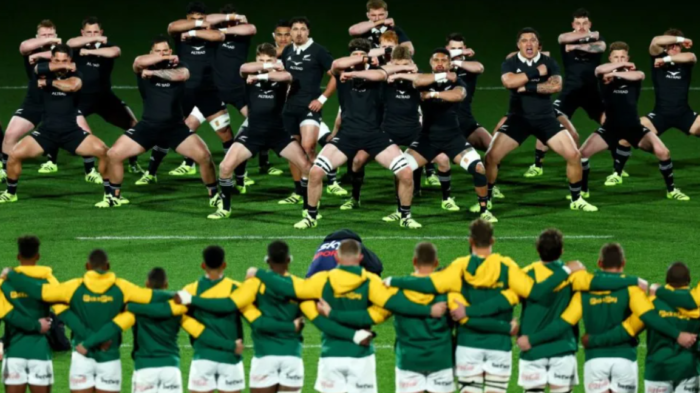

OPINION: There are rugby rivalries, and then there is Springboks versus All Blacks.
For me, this rivalry has never been merely about rugby. It has been a soundtrack to my life, a thread stitched through five decades of memories, newspaper clippings, iconic players, thunderous Test matches and the unmistakable theatre of the haka meeting the green-and-gold wall.
I was nine years old in 1976 when New Zealand toured South Africa for a four-Test series during the darkest days of apartheid. I was too young to comprehend the political earthquake surrounding that tour, yet old enough to understand that something enormous was happening whenever the Springboks faced the All Blacks.
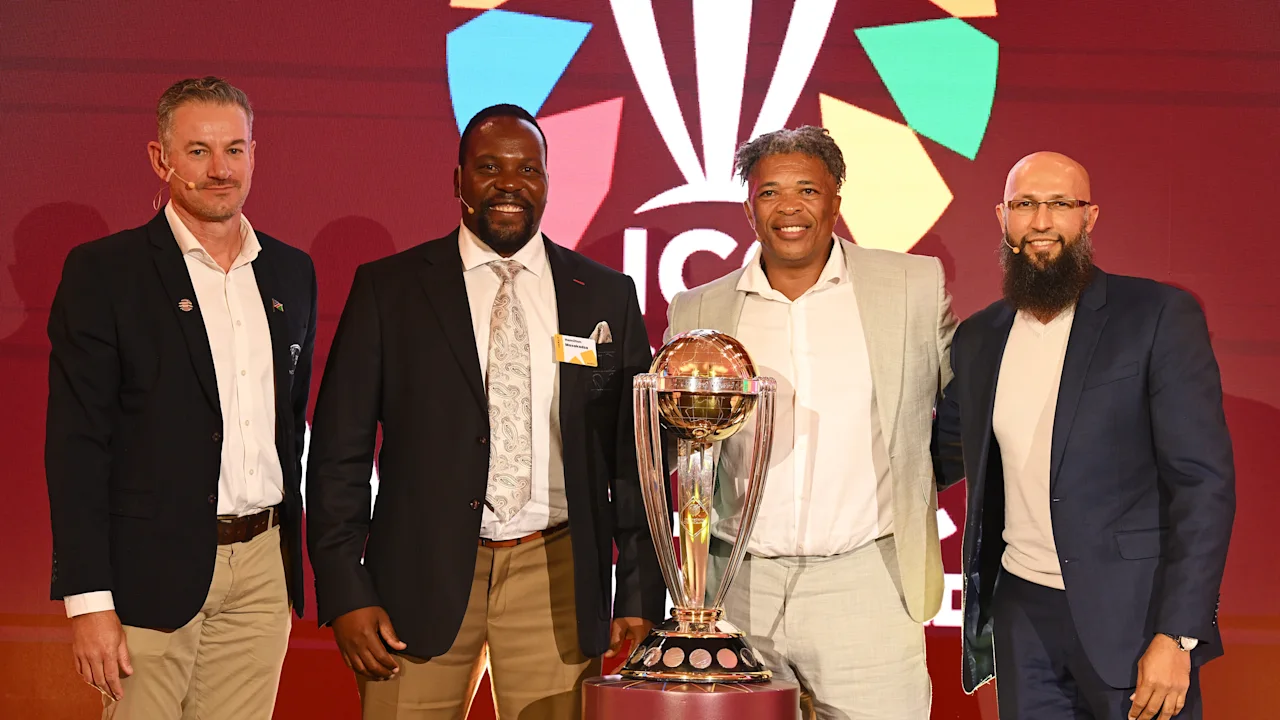
Rugby’s Greatest Rivalry unveils a trophy Like No Other https://t.co/l7zjqbhW3F
— Adnaan Mohamed (@Adnaan1111) August 19, 2026
The All Blacks arrived with the blessing of New Zealand Prime Minister Rob Muldoon. Their tour provoked international outrage, with 25 African nations joined by Afghanistan, Burma, Guyana, Iraq, Sri Lanka and Syria in boycotting the Montreal Olympics because they viewed the tour as lending tacit support to apartheid.
For a nine-year-old boy, history came wrapped in newspaper ink.
I collected clippings like sporting treasure. I cut out Springbok and All Black emblems. I hunted photographs of my favourite players in newspapers and magazines. Before the internet turned information into an endless river, those scraps of paper were my rugby archive.
The All Blacks won 18 of their 24 matches on that tour, yet South Africa took the Test series 3-1.
That scoreline has never erased the uncomfortable history surrounding the tour. If anything, it reminds us that rugby can live inside a much bigger stadium called society.
Now, 50 years later, Rugby’s Greatest Rivalry returns in an entirely different South Africa.
There is an important distinction. This is 50 years since the controversial 1976 tour, and 30 years since New Zealand last undertook a full tour of South Africa in 1996. The 2026 revival is therefore historic in its own right, with the All Blacks travelling through South Africa before four Tests against the world champions.
The series opens at Ellis Park on 22 August, moves to DHL Stadium in Cape Town on 29 August, returns to FNB Stadium on 5 September and crosses the Atlantic for a fourth Test in Baltimore on 12 September.
Four Tests. Four stages. One rivalry carrying enough history to fill a library.
The rugby has changed. The politics have changed. The jerseys remain instantly recognisable, almost like old friends meeting across a battlefield where the grass remembers every collision.
The rivalry has survived great Springbok teams, All Black dynasties, World Cup finals, coaching revolutions and changing generations. It has produced heroes, villains, legends and enough drama to make Shakespeare reach for a rugby ball.
And now technology has transformed how we experience it. In 1976, I waited for tomorrow’s newspaper. Today, highlights arrive before the players have cooled down, analysis pours across social media and artificial intelligence can dissect a match before the post-match interviews have finished.
Yet some things remain beautifully old-fashioned.
The haka still sends a shiver through the stadium. The Springbok anthem still raises goosebumps. The collision still makes the heart leap.
For those of us who remember 1976, Rugby’s Greatest Rivalry is more than a four-Test series.
It is a reunion with memory.
And when the first whistle blows at Ellis Park, five decades of rugby history will take the field with the players.