
The road from Durban to Pietermaritzburg has always felt like a long conversation between legs and lungs. In 2026, that conversation may run a little shorter and a lot faster.
The Comrades Marathon has confirmed an official distance of 85.777km for the 99th edition on Sunday, 14 June, making it the shortest Up Run in recent memory.
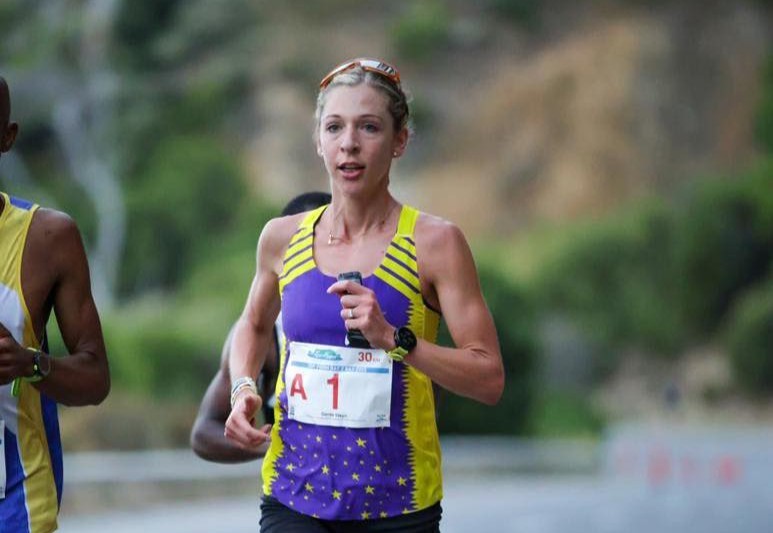
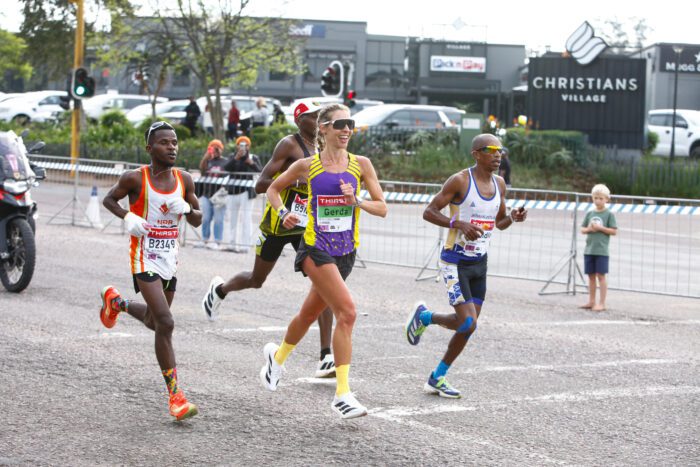
For multiple champion Gerda Steyn, the trimmed route could unfold like a tailwind on a cool morning, opening a clear path toward a potential R2 million payday through victory and time-based incentives.
The new distance slices 133 metres off the 2024 Up Run and sits nearly a kilometre shorter than the 2019 edition. In a race where every step lands like a drumbeat on tired legs, that reduction is no small matter. It is the difference between holding form and fighting collapse, between a steady rhythm and a desperate sprint.
Historically, exact comparisons remain slippery. Before 1969, distances were measured in miles and often estimated. The Up Run hovered around 54 miles or roughly 86.886km, leaving modern precision as the true benchmark. In that context, 2026 stands out as a course built for speed.
The route measurement itself was a carefully choreographed procession. A convoy led by World Athletics-accredited measurer Mike Rooke rolled through KwaZulu-Natal, his calibrated bicycle ticking off each revolution like a metronome of accuracy. Each kilometre mark was painted onto the road, laying down a visual rhythm that runners will follow on race day.
Comrades Marathon Race Director Sue Forge explained the changes.
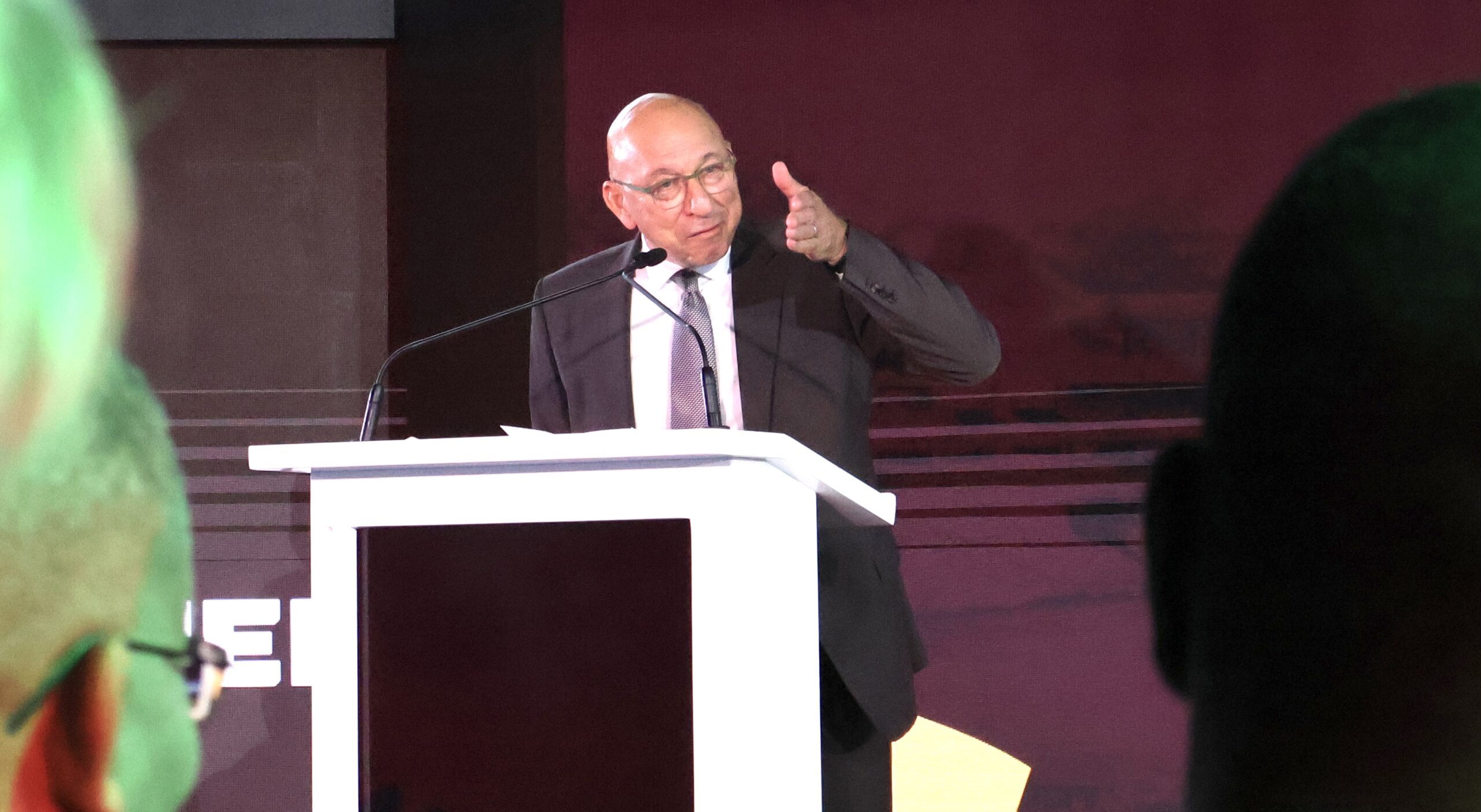
“The ongoing roadworks have had a significant impact on the route and our planning. However, thanks to the outstanding collaboration and support of the municipalities, the Road Traffic Inspectorate, Durban Metro Police and Msunduzi Traffic Police, we have been able to finalise a route that not only provides a slightly shorter distance for runners, but also improves the management of road closures, traffic flow, infrastructure removal and post-race clean-up.”
Forge detailed how the course has been reshaped.
“We have changed the set-up of the finish at Scottsville and shortened the finish straight, while out on the route, the biggest change is that from 45th Cutting to Cowies Hill, where runners will move in a contra-flow direction. This means they will run on the other side of the road to previous years, against the normal traffic direction, which will also reduce the gradient of that section slightly.”
She added, “Meanwhile, we have retained the Umlaas Road cut-through, working closely with SANRAL and the appointed contractors to remove a 12-metre section of the new roadside barriers and surface the area, enabling runners to cross directly. This adjustment will once again save runners approximately 870 metres.”
For Steyn, who already shattered the women’s Up Run record in 2024 with a 5:49:46 finish, the shorter route may feel like a downhill stretch carved into an uphill race. With prize incentives tied to pace and records, the course could transform into a high-speed corridor where endurance meets precision.
Forge believes records are under threat.
“With the shortest route on record for the Up Run being run this year, coupled with lucrative cash incentives for runners to chase the best time and best pace records, we may see those records fall again in 2026.”
If the race unfolds as expected, Steyn could turn the road into her runway, striding through KwaZulu-Natal with each kilometre ticking closer to history and a golden reward.
Photo Credit : Image courtesy Comrades Marathon Association