
Caster Semenya has thrown a verbal grenade into South African athletics, making it abundantly clear that she would rather spend her days developing champions than sharing a boardroom table with people she considers snakes.
The two-time Olympic 800m champion has ruled herself out of contesting a position on the Athletics South Africa (ASA) board ahead of the federation’s upcoming elections, delivering a stinging assessment of the people and institutions she believes have let her down.

And she did not mince her words.
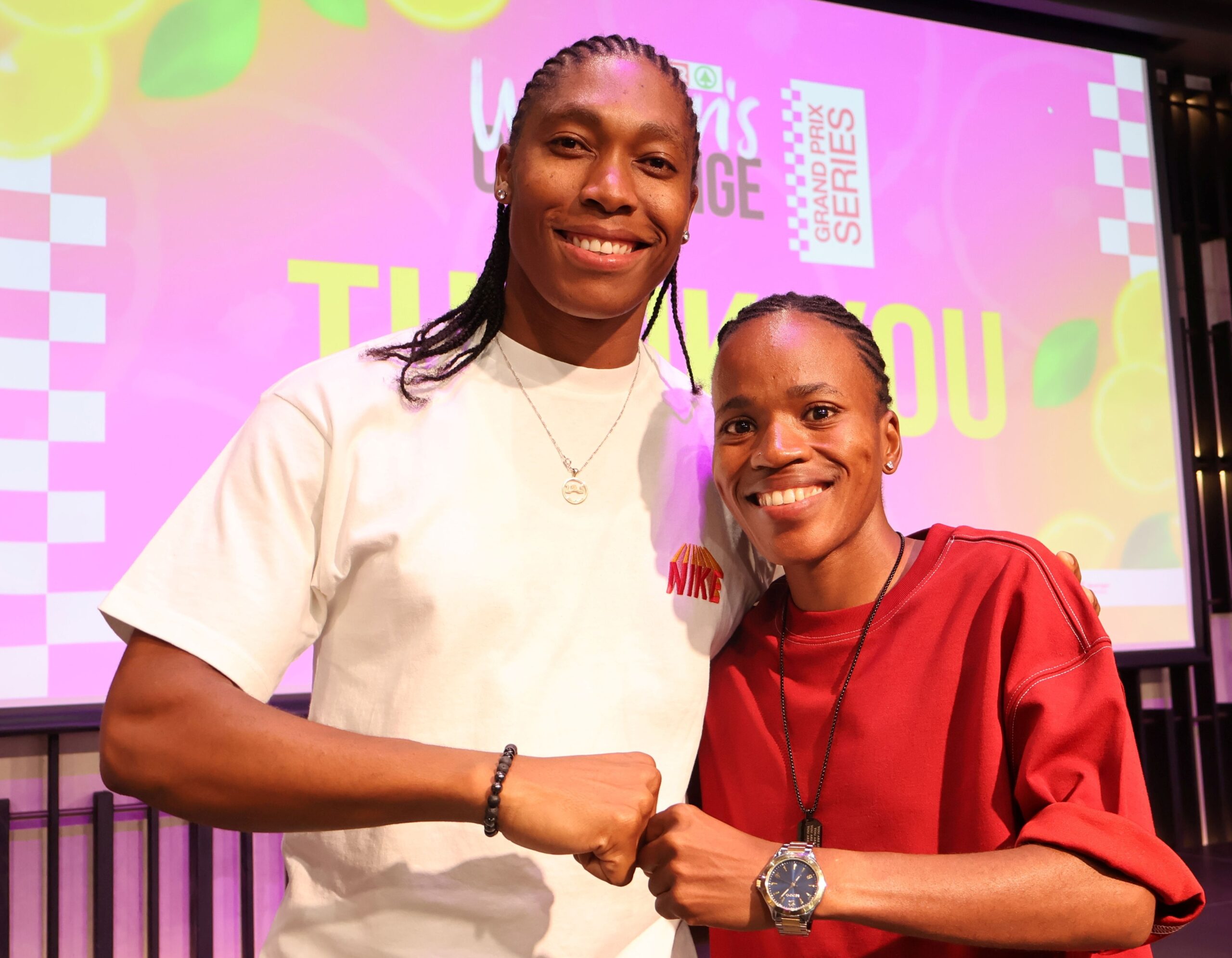
“I am not really interested in an organisation because they use you as bait, so I don’t want to be in a space where I need to answer to someone. I want to fix my own ship, which is Masai Athletics Club, the Caster Semenya Foundation, which is my priority, and my athletes. So, when it comes to national and international leadership, at the moment I will pause it because I don’t see myself working with snakes,” Semenya told reporters at Tuesday’s 19th annual SPAR Grand Prix Awards ceremony in Johannesburg.
“I have been betrayed so many times by the very same people. I don’t see myself sitting at a table with an enemy. I am going to be honest; I am speaking just for myself. I have no interest in any position or any organisation at this moment.”
Ouch! Those words will hardly warm the hearts of the athletics establishment.
Semenya’s relationship with athletics administrators has been complicated by the controversy that engulfed her after she stormed to the world 800m title in Berlin in 2009, aged just 18.
ASA was widely criticised for its handling of the situation, with questions raised about whether the federation had adequately protected the teenage athlete when scrutiny surrounding her sex became an international talking point.
The federation subsequently supported Semenya through her lengthy legal battles against World Athletics over regulations restricting athletes with differences of sexual development from competing in women’s middle-distance events without hormone suppression.
After years of courtroom battles and restrictions that prevented her from competing in her preferred events, Semenya brought her elite competitive career to an end in 2019.
She has now delivered another snub to the sporting establishment, ruling out becoming an ambassador for the South African Sports Confederation and Olympic Committee (SASCOC), even if the country wins the right to host the 2036 or 2040 Olympic Games.
While the boardroom can keep its politics, Semenya appears to have found her sweet spot on the coaching track.
Together with her wife, Violet, she is building a formidable group of athletes through Masai Athletics Club in Pretoria. Her coaching stable includes South African marathon record-holder Glenrose Xaba, Karabo More and Karabo Mailula.
And the results are beginning to make plenty of noise.
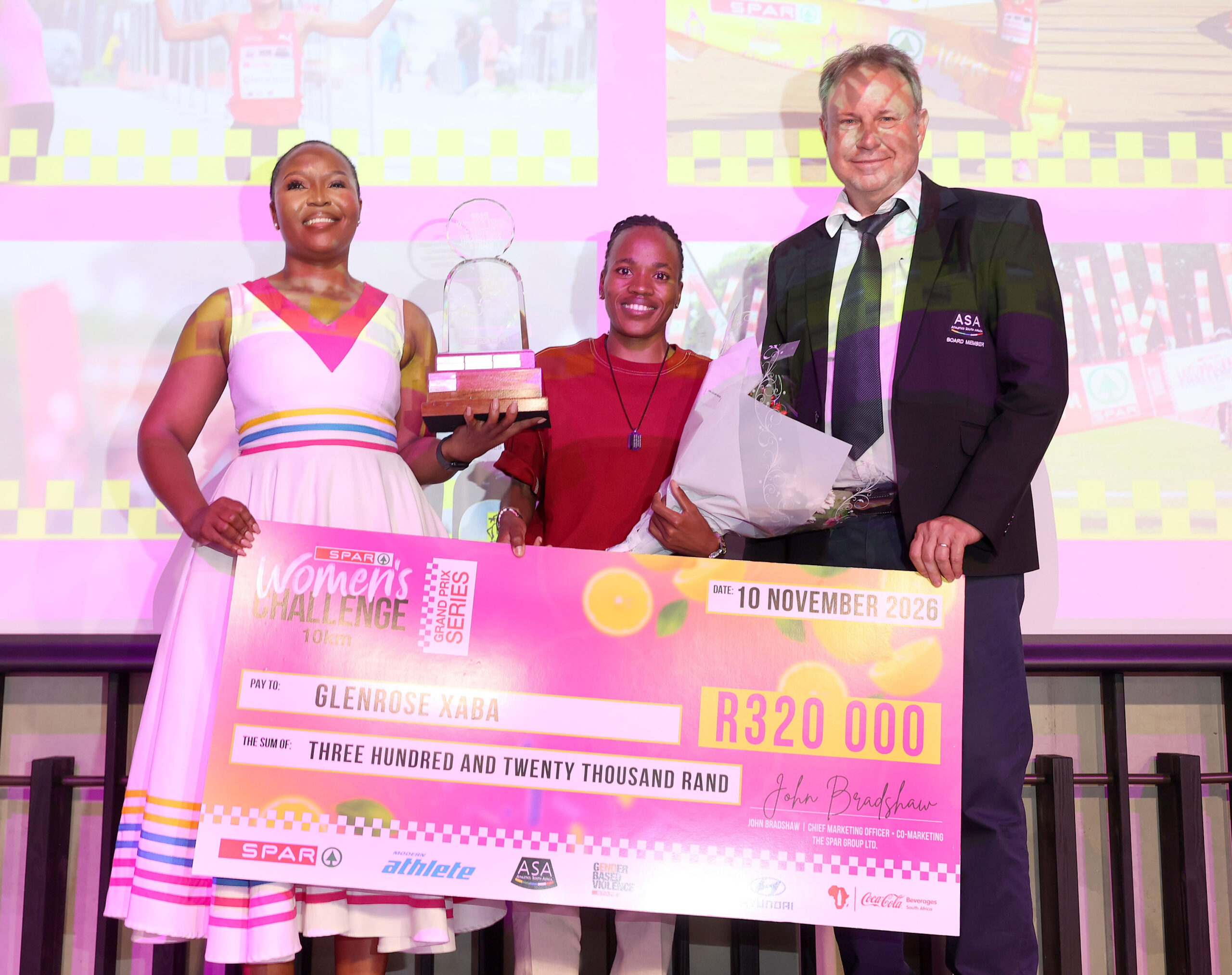
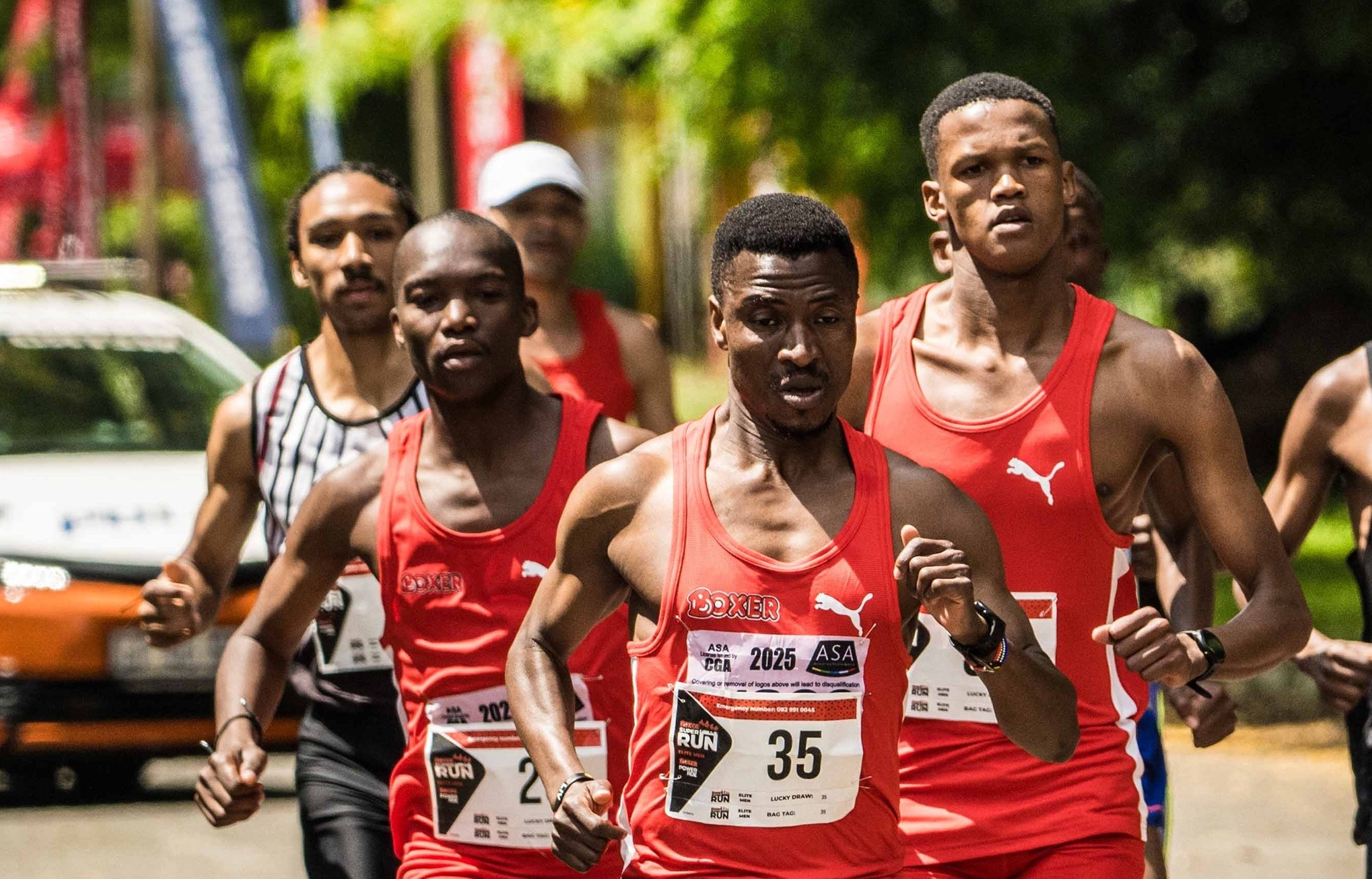
Xaba delivered a historic performance on Tuesday, becoming the first athlete to win the SPAR Women’s 10km Challenge Grand Prix four times.
The Boxer Athletics Club star collected 119 points across the five-race series, finishing ahead of Ethiopian Selam Gebre of Nedbank on 114 points and teammate More on 111.
Her record-breaking campaign earned her R210 000 for the overall title and another R110 000 as the leading South African, taking her total prize money to a handsome R320 000.
Xaba previously won the prestigious series in 2017, 2024 and 2025. She now stands alone ahead of three-time champions Rene Kalmer, Irvette van Zyl and Ethiopia’s Tadu Nare.
“I want to inspire young runners. I want them to think, if Glenrose can do it, so can I,” Xaba said.
She paid tribute to her coaches and mentors, Violet and Caster Semenya, as well as her grandmother, who witnessed her historic achievement.
Van Zyl, who finished eighth overall, acknowledged the impact Xaba has had on women’s road running.
“We are all doing better because of Glenrose. Standards are higher and there is greater competition,” she said.
Boxer Athletics Club also flexed its muscles in the club competition, collecting 872 points to finish comfortably ahead of Nedbank (337) and Hollywood (253).
The 19th edition of the SPAR Grand Prix also continued its campaigns against gender-based violence and period poverty.
Semenya’s refusal to enter the ASA boardroom leaves an uncomfortable question hanging over South African athletics: what does it say about the state of the sport when one of the country’s greatest champions has no appetite for a leadership role within its own federation?
For now, Caster has chosen her battlefield.
She is building her own ship, nurturing future champions and letting the stopwatch do the talking.