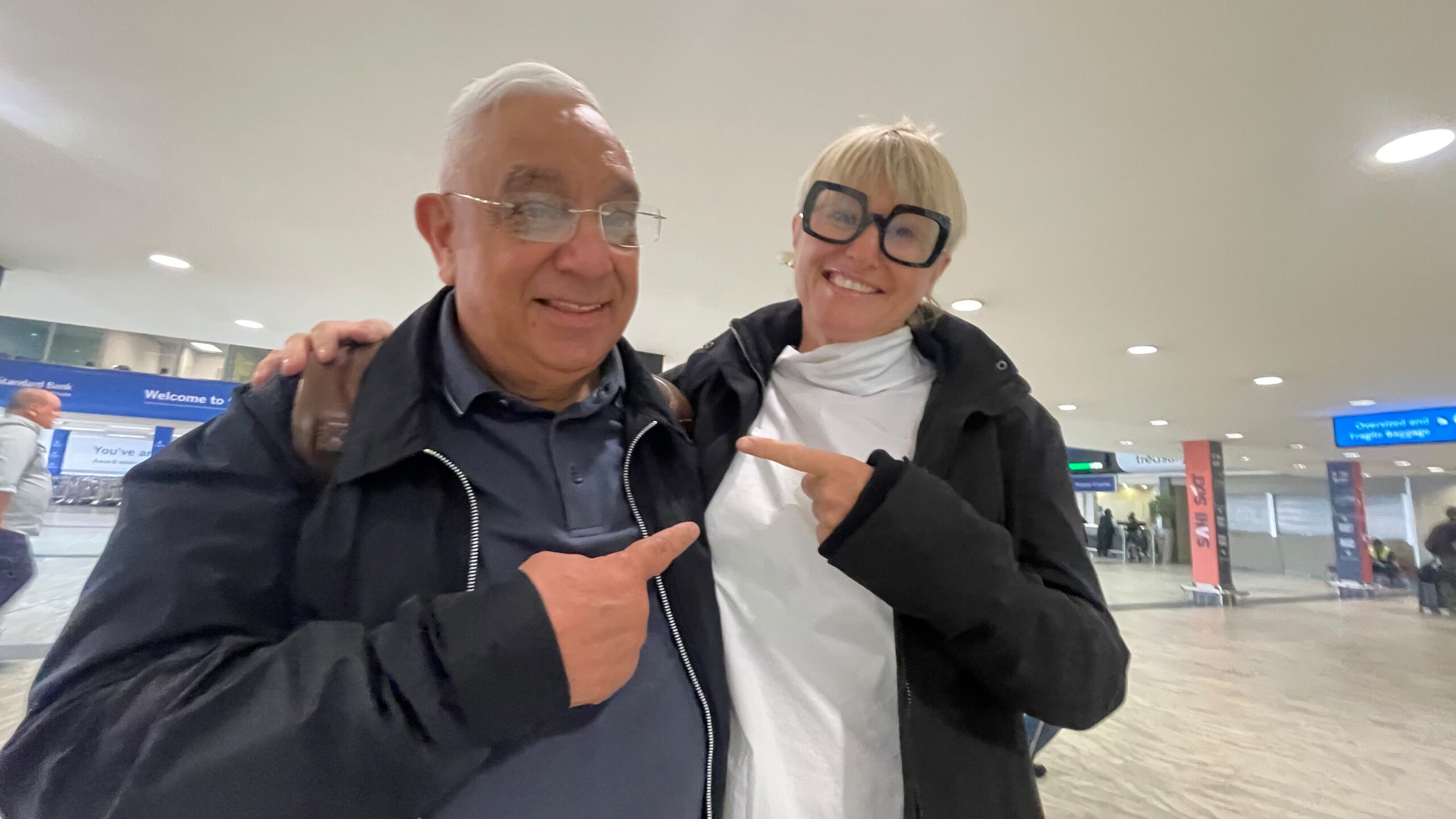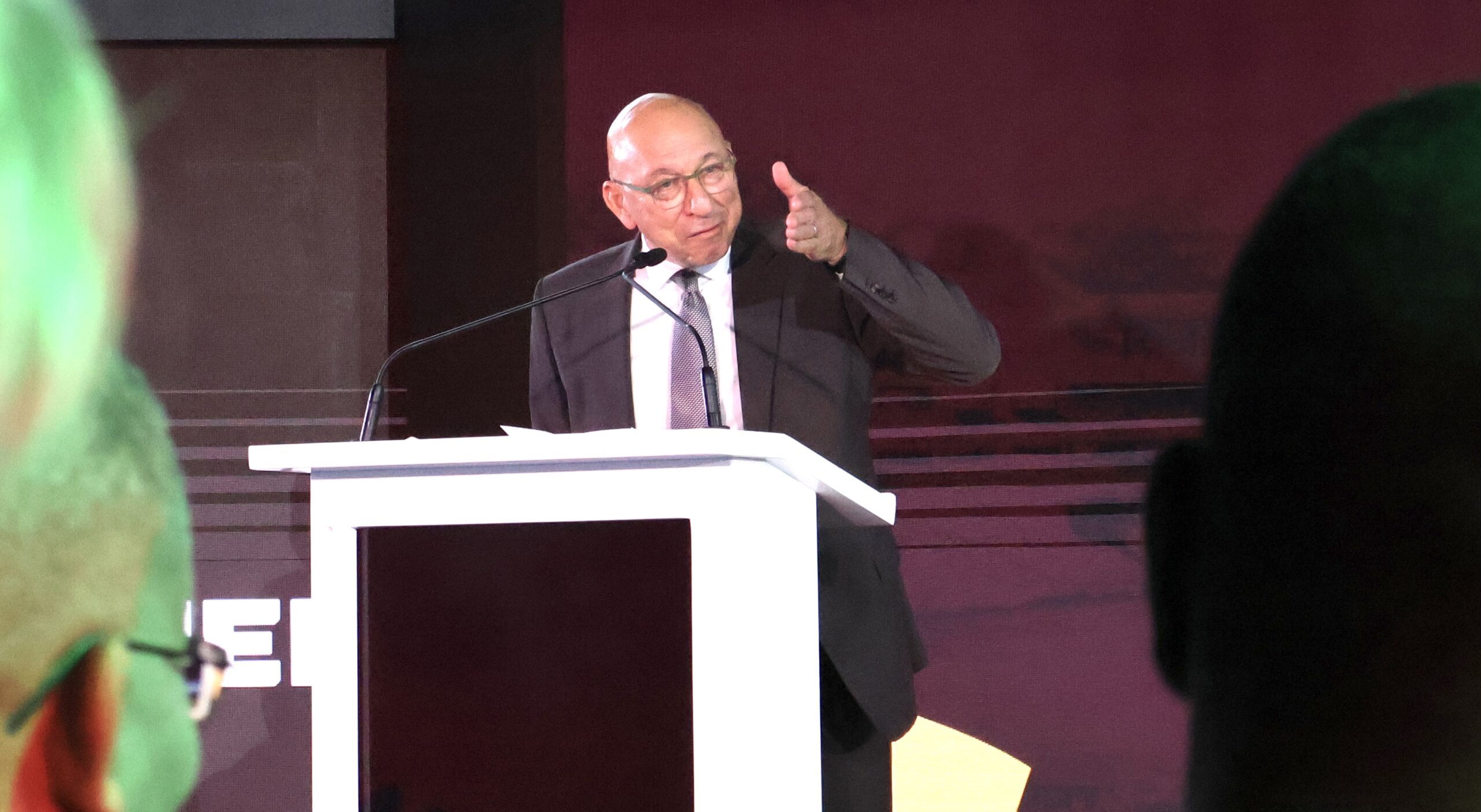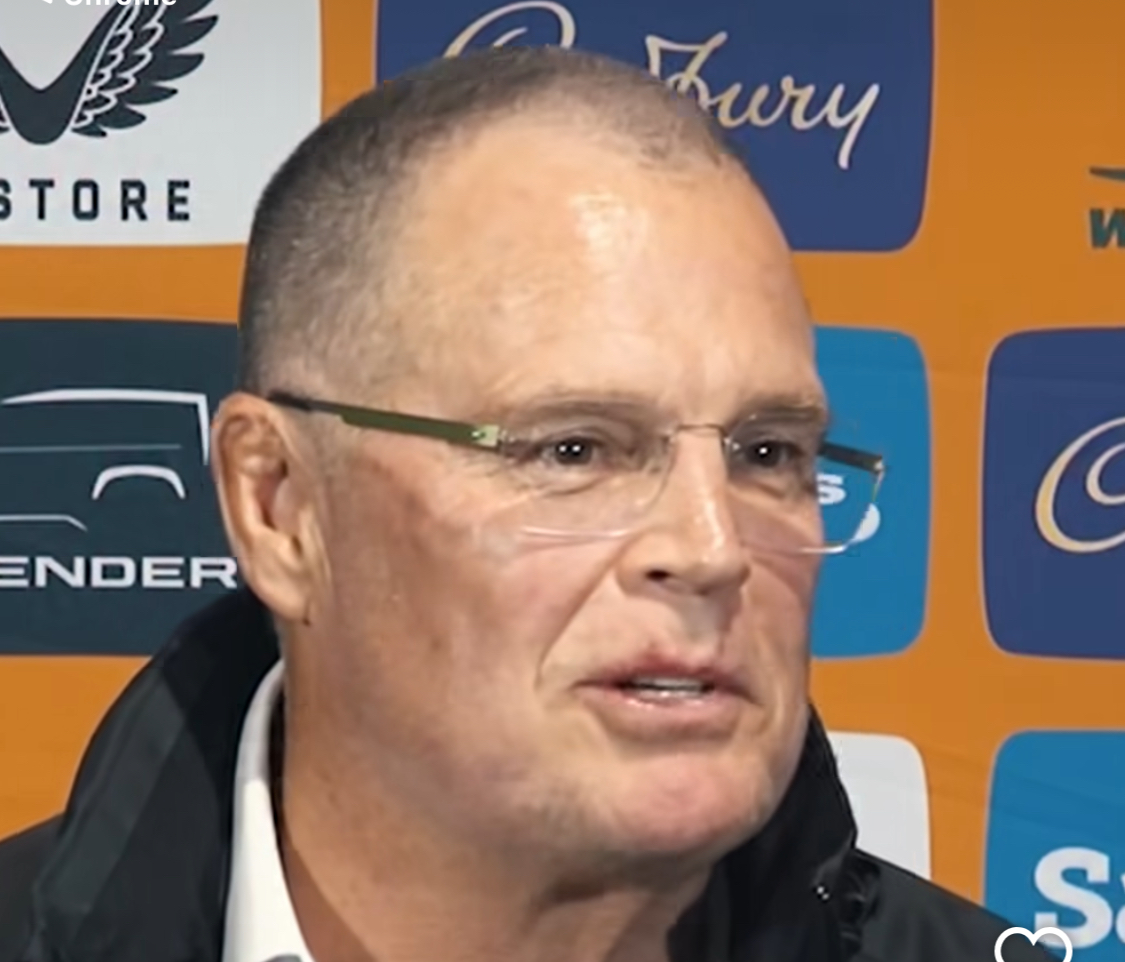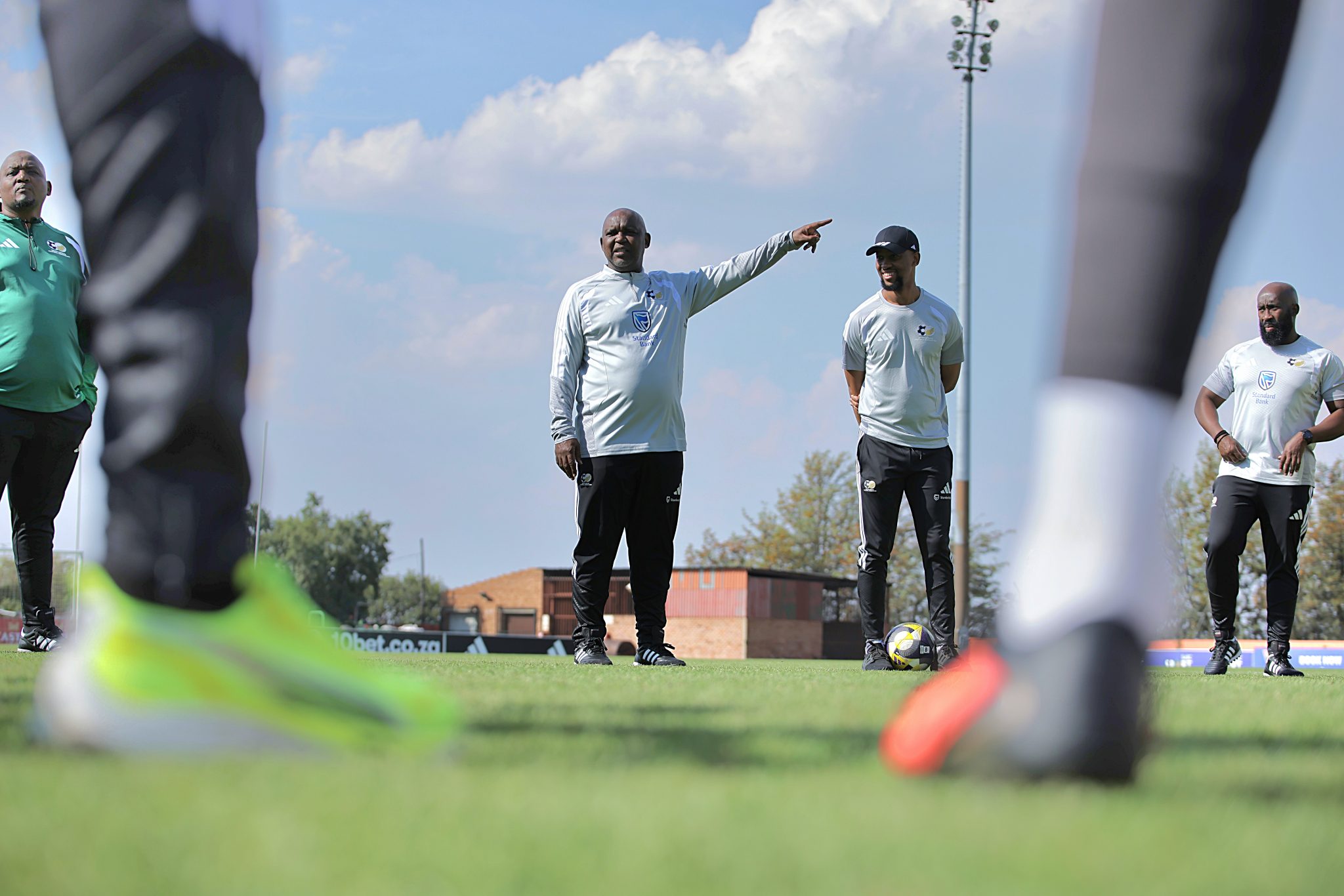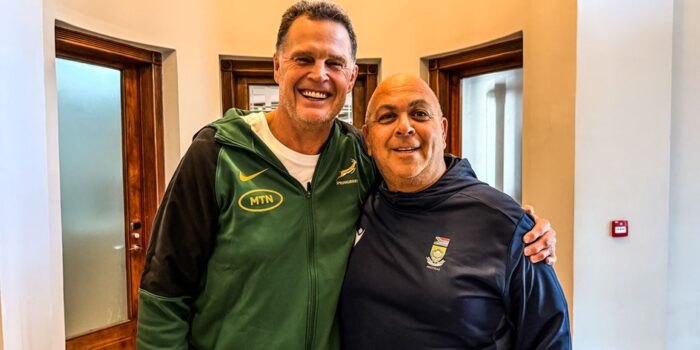

By blending the rough-and-tumble rhythms of rugby with the calculated cadence of cricket, Rassie Erasmus and Shukri Conrad have done more than simply share a handshake. They’ve stitched a tapestry of tactical brilliance that stretches across South Africa’s two most storied sports. When the Proteas’ High Performance team stepped into the Springbok alignment camp in Stellenbosch on Thursday, it wasn’t just a visit—it was a high-performance huddle between sporting sages.
If rugby is a game of inches and collisions, and cricket one of centimeters and calculation, then the meeting between Erasmus and Conrad was akin to a cross-code Test match of minds—where neither side needed a scoreboard to know they were winning.
Like a surprise yorker under lights, the initial meeting between the two coaches earlier this year—over a braai at a Newlands hotel during the second test against Pakistan—caught many off guard. What began as a casual chat over coals quickly turned into a two-and-a-half-hour deep dive into the art and soul of coaching, complete with bouncers of insight and drop-kicks of shared philosophy.
EXCLUSIVE: From Lansdowne to Lords – Shukri Conrad and Rassie Erasmus remarkable journey
Fast forward to Stellenbosch, and the spirit of that initial conversation crackled again, not over fire this time, but in the Springbok war room, where playbooks met spreadsheets, and tactics danced with ethos. Erasmus, the master strategist who led the Boks to back-to-back World Cups, extended an open hand to Conrad, whose Proteas are sharpening their blades for the ICC World Test Championship Final at Lord’s.
“Shukri and his team have a massive assignment coming up,” Erasmus said, his voice full of the steady confidence of a flyhalf calling the play.
“We hope that inviting them to our alignment camp will assist them as they put the final touches in place for the extravaganza against Australia next month.”
That invitation was more than symbolic. It was a signal that the silos of South African sport are being broken down, brick by brick, by men who see further than their own fields. In Erasmus and Conrad, you have two maverick minds, not afraid to bowl unorthodox deliveries or orchestrate off-script set-pieces. They understand that greatness often lies not in reinventing the wheel, but in tuning it to roll smoother across different terrain.
“The language is pretty much the same,” said Conrad, drawing parallels between code-switching and game-planning. “And also the implementation of certain things, such as the fact that playing for the Springboks and Proteas has to be the biggest thing.”
It was telling that while the Springboks pounded through their tactical drills, the Proteas management team observed not like tourists, but like apprentices in a dojo. From player management presentations to discussions about team values, the crossover was complete. What Erasmus offered wasn’t just access; it was an open-source playbook for national pride.
The alignment camp, bustling with energy, also featured the SA Rugby Elite Referees Panel, further underscoring Erasmus’s belief in bringing all rugby (and now cricket) minds into the inner circle. That inclusivity mirrors the broader vision both coaches share—one of high standards, unity of purpose, and relentless pursuit of excellence.
Conrad, whose Proteas are preparing for their biggest “final” yet at the hallowed turf of Lord’s, welcomed the rare chance to observe the Springbok machine up close. “It was very inspiring,” he said.
“They are obviously doing a lot right, so we wanted to see what that is—and also to share.”
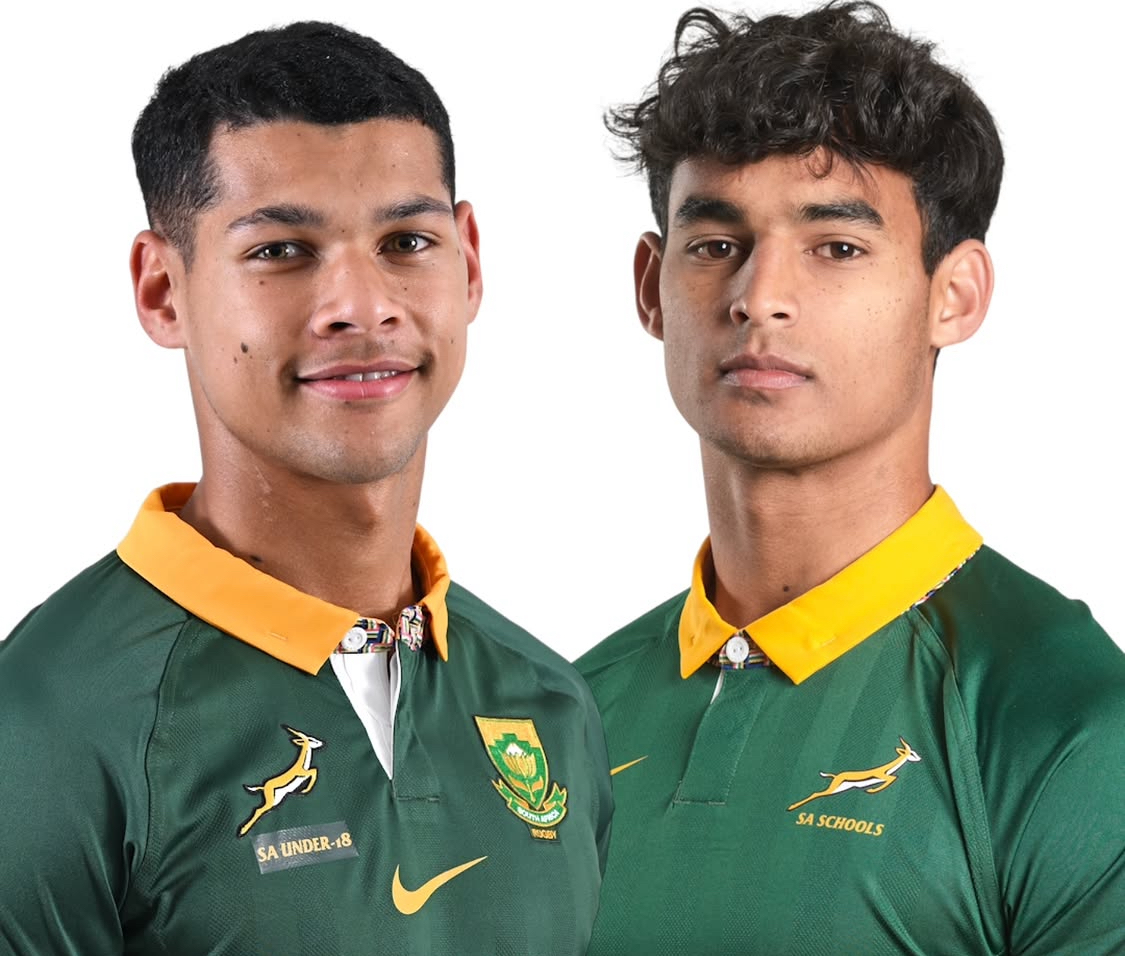
The sharing wasn’t one-sided. With Springbok assistant coaches presenting their areas of expertise, and new players like Vincent Tshituka, Ntokozo Makhaza, and Juarno Augustus soaking in the systems like sponges, the atmosphere was one of cross-pollination—between codes, disciplines, and generations.
Erasmus summed it up with trademark pragmatism: “I firmly believe in having our national coaches working together and sharing ideas. We all have the same goal – to make the country proud.”
In a country that has often struggled with fractured sporting ecosystems, this moment feels like more than just a camp. It feels like a movement. Like a batsman learning from a flanker, or a prop drawing inspiration from a fast bowler, this is the future of South African sport—integrated, inspired, and aligned.
So whether it’s a ruck or a run chase, a maul or a maiden over, one thing is clear: the playbooks may differ, but the heartbeats are beginning to sync. And with leaders like Erasmus and Conrad calling the shots, South African fans have every reason to believe that the scoreboard, across both codes, is about to light up.