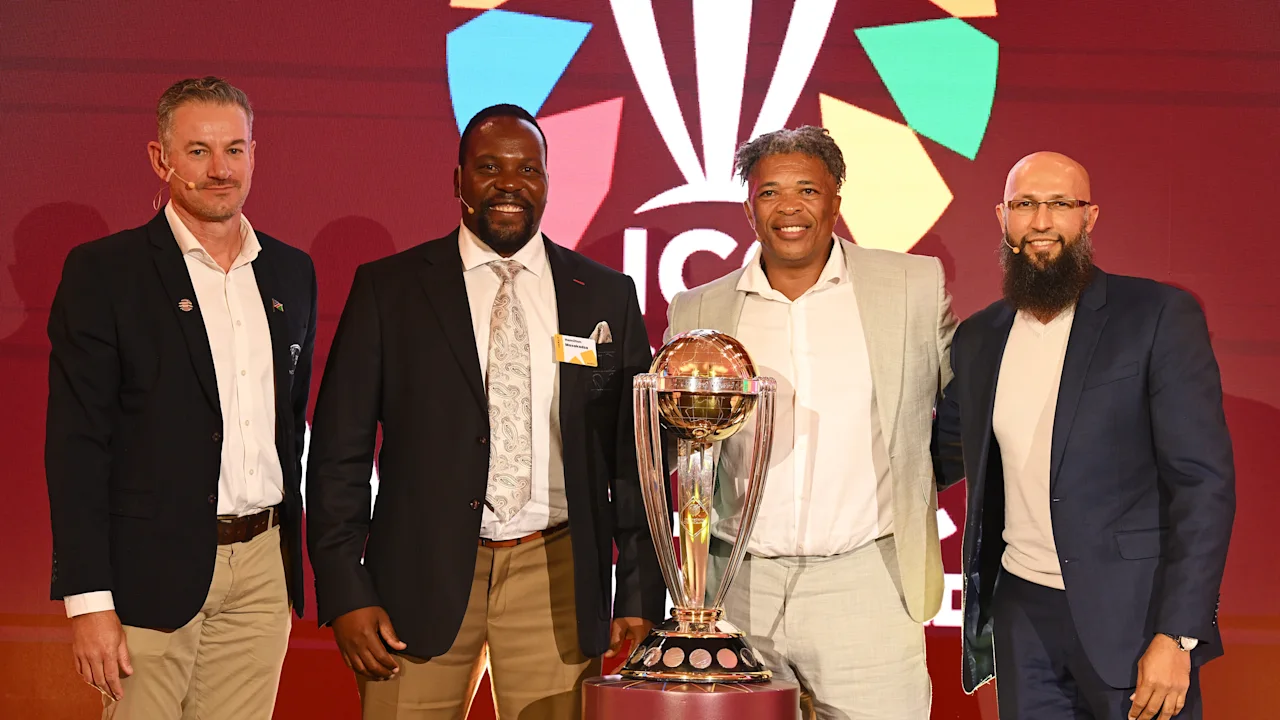

There are 365 days on the scoreboard, the tickets are in the ballot box and Southern Africa has officially stepped onto the crease.
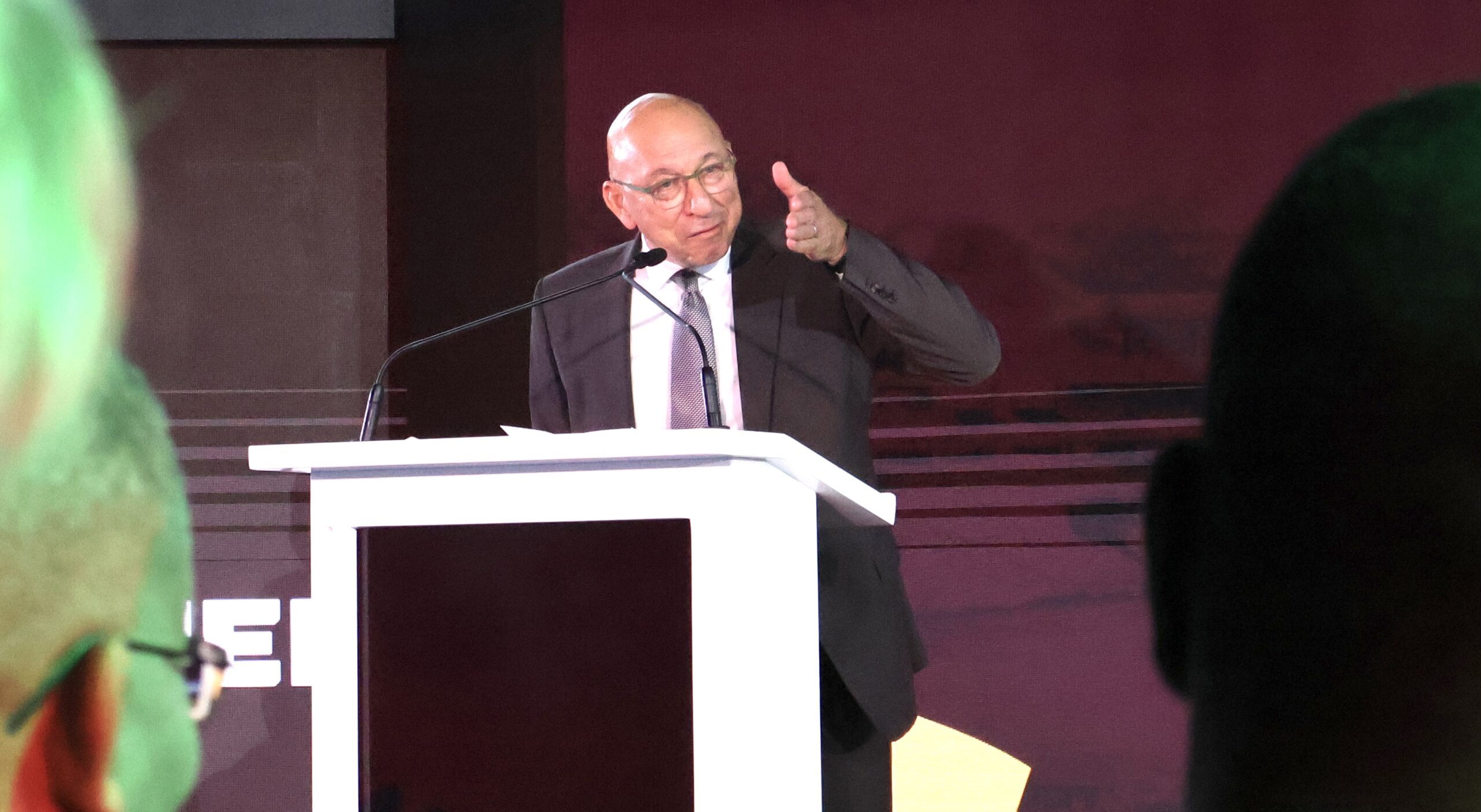
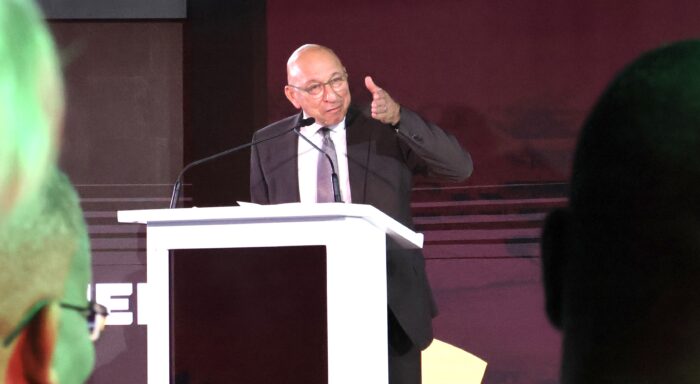
Trevor Manuel, independent chairperson of the ICC Men’s Cricket World Cup 2027 Local Organising Committee Board, delivered the most telling message at Thursday’s launch in Cape Town:
“We hope supporters will arrive in their multitudes for the cricket and leave with lasting memories of the warmth, energy, diversity and extraordinary welcome of our region.”
That is the bigger innings.
The cricket will provide the fireworks, the rivalries will supply the thunder and the trophies will eventually find their champion. Manuel’s challenge places the spotlight on something that cannot be measured on a scoreboard: the experience Southern Africa creates when the world comes knocking.
At the Zeitz Museum of Contemporary Art Africa, the ICC formally unveiled the route to a 14-team, 57-match ODI spectacle spanning South Africa, Zimbabwe and Namibia from 2 October to 21 November 2027.
The tournament carries the banner “Three Nations, One Heartbeat”, an ambitious slogan for a World Cup that will stretch across borders, cultures and some of the region’s most recognisable sporting landscapes.
Manuel, a former South African finance minister said the three hosts were ready to welcome cricket supporters from around the world, drawing on Southern Africa’s history of staging major global sporting events.
“While the cricket will rightly take centre stage, this World Cup is also an opportunity to showcase the people, places and spirit that make Southern Africa so remarkable,” he said.
It is a neat piece of tournament philosophy. The cricket is the ball. The destination is the pitch.
And the fixtures have plenty of bite.
The opening act begins in Namibia on 2 October with a three-team Super Series involving the three lowest-ranked qualified teams. The winner progresses to the Group Stage.
The 12-team Group Stage then divides into two pools.
Group A: India, Australia, Pakistan, Afghanistan, Zimbabwe and Qualifier A.
Group B: New Zealand, South Africa, Sri Lanka, England, Bangladesh and Qualifier B.
The first heavyweight punch lands at Newlands on 7 October, when defending champions Australia face 2023 finalists India.
A day later, South Africa begin their campaign against New Zealand in Tshwane, while Afghanistan face Pakistan in Centurion and England meet Bangladesh in Windhoek.
Zimbabwe return to the World Cup after a 12-year absence when they face Qualifier A in Bulawayo on 9 October.
Then comes the fixture capable of making television schedules tremble: India versus Pakistan at the Wanderers on 10 October.
Cricket’s oldest commercial truth remains intact. Put India and Pakistan on the same scorecard and the global audience tends to follow.
Zimbabwe will also take the World Cup into new territory when India visit the Mosi-oa-Tunya Stadium at Victoria Falls for Match 33.
The knockout race gathers momentum before the semi-finals in Cape Town on 17 November and Tshwane on 18 November.
Johannesburg gets the final on 21 November, with the City of Gold providing the closing curtain for a tournament that will have crossed three countries and 12 venues.
South Africa will provide eight venues, Zimbabwe three and Namibia one, taking the World Cup to Johannesburg, Tshwane, Cape Town, Durban, Gqeberha, Bloemfontein, Paarl and KuGompo City, with Harare, Bulawayo, Victoria Falls and Windhoek completing the geographical sweep.
ICC Chairman Jay Shah described the schedule announcement and ticket ballot opening as major milestones.
The ticket system is already live, with fans invited to register from 1 October. Entry is free, registration is not first-come, first-served and fans may enter for multiple matches, with one ballot entry permitted per person per match.
Where demand exceeds supply, successful applicants will be selected through a randomised ballot.
The ballot closes at 23:59 SAST on 21 November 2026.
Indicative ticket prices range from approximately US$9.50 (R158) for entry-level tickets to approximately US$30 (R514) for the highest-tier matches, subject to exchange-rate fluctuations. Family bundles, student and pensioner pricing, early-bird local allocations, community clubs and school groups are also part of the accessibility drive.

Enter the ICC Men’s Cricket World Cup 2027 ticket ballot
For Southern Africa, the next 365 days become a relay race of their own: venues must be ready, communities engaged, supporters mobilised and the region’s hospitality put on show.
The scoreboard says one year.
Manuel’s message says the real measure of success will linger long after the final wicket falls.
The World Cup has been scheduled. The ballot has opened. Now Southern Africa has an entire year to turn a cricket tournament into a continental memory.