
The Rugby’s Greatest Rivalry Series has barely reached the starting blocks, yet the temperature is already rising.
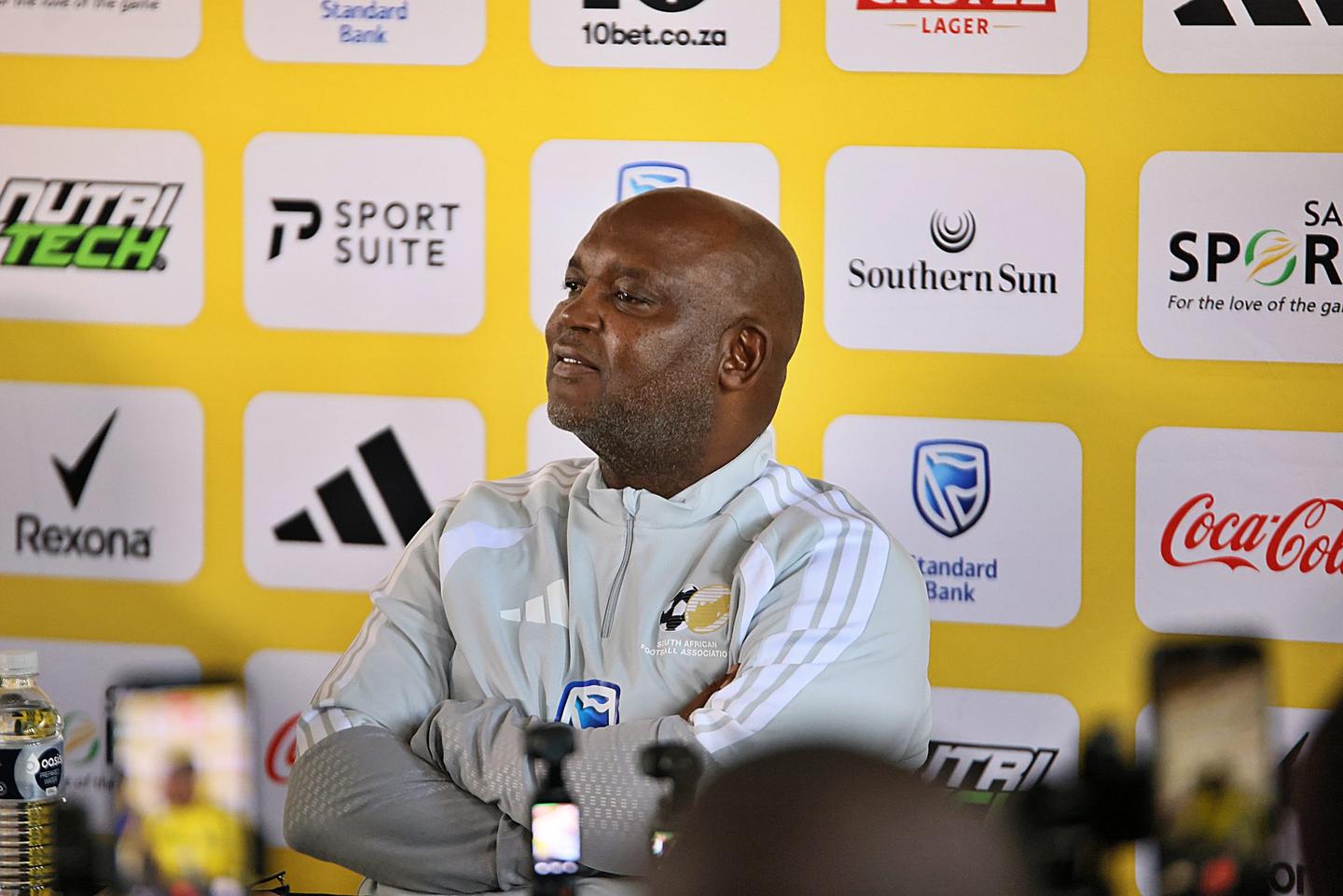
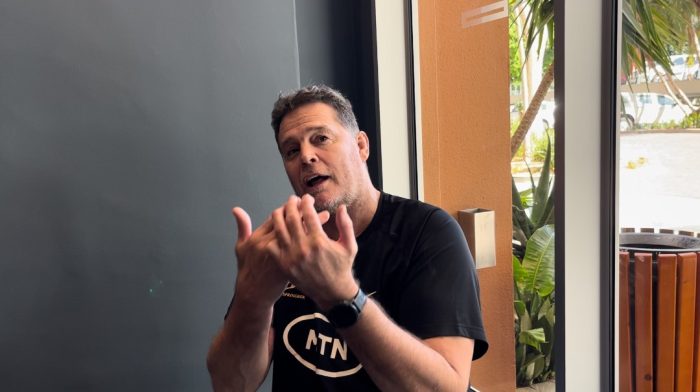
Springbok coach Rassie Erasmus has dismissed suggestions that South African teams are deliberately slowing the game at set piece, insisting Saturday’s opening Test against the All Blacks at 10bet Ellis Park will be decided by pressure, precision and the ability to survive the grind.
“There are always three truths: New Zealand’s truth, the truth people believe, and our truth,” Erasmus said.
His response was characteristically blunt. The Springboks, he argued, have no need to manufacture drag in a contest they expect to resemble a heavyweight prizefight played at Test-match speed.
“In our last two games against New Zealand in Auckland and Wellington, people can go and look at those games and ask were we slowing those down. They beat us in Auckland, and we got a good result in Wellington. We believe there’s a certain way to win big games and we think it will be a grind.”
That word, grind, may prove prophetic.
Erasmus knows that when Test rugby enters the red zone, cohesion can fray like an old jersey under repeated tackles.
“When you’re under pressure and you attack, it’s tough to maintain cohesion, so will try to find a balance when games are really tight, but we have a system to fall back on that protects the players.”
Since Tony Brown joined the Springbok coaching staff, Erasmus believes that attacking philosophy has sharpened.
“Since Tony Brown, former All Black flyhalf and current Springbok assistant coach, has been with us, we feel as though we’ve been on the right track. But we always want to keep something to fall back on when the pressure is really on.”
SA Rugby laws advisor Jaco Peyper then tackled the controversy with the precision of a referee blowing the whistle at the breakdown.
The #Springboks know what's coming in the next four weekends of #RugbysGreatestRivalry: “We know how good the All Blacks are” – more here: https://t.co/NDsAwY2tnH 🏉#ForeverGreenForeverGold pic.twitter.com/VxZdqra43o
— Springboks (@Springboks) August 17, 2026
“The law is very clear. From the moment the referee puts his foot down to mark the spot, not from the whistle, there is 30 seconds to form a lineout or scrum.”
Peyper said teams could manage the preceding moments within the laws, while opponents ready to play could apply pressure.
“There is nothing in the law that says you can’t idle before the mark is given.”
He also pointed to another way of disrupting tempo: repeated infringements at breakdowns and mauls.
The message is clear. The whistle will not be a metronome for anyone seeking an easy ride.
Peyper has confidence in the officials appointed for the series, particularly England’s Matthew Carley.
“You’re going to have a firm referee. Someone who deals decisively at the breakdown and is very strong on anything negative or cynical. And he does not get influenced by the home crowd.”
That last detail could matter in the Ellis Park cauldron.
Erasmus expects an All Blacks side eager to attack with purpose.
“You can see it on social media. They’re advocating a high intensity, running game, with multi-phase attacks. And when you analyse it, it definitely shows in the stats.”
Dave Rennie, the All Blacks coach, is no stranger to Erasmus, having crossed swords with him during their Munster and Glasgow days.
“The big battle is going to be when they have the ball, they’ll have total control of what they do with it, and when we have the ball, we’ll have total control of what we do with it. Neither team can tell the other how to use the ball.”
Erasmus’ biggest concern is the All Blacks’ brutality at the breakdown and their ability to turn possession into punishment.
“They take the ball through so many phases and then they put in a well-timed grubber kick. Their attacking kicks are as dangerous as when they have ball-in-hand.”
There is also genuine excitement inside the Springbok camp.
“We looked forward to these games as much as you did when you were asking about it while we were playing the other matches,” Erasmus said.
“We all appreciate and respect what this series means. I’d love it if the people at Ellis Park create the same atmosphere as that which the people did in Cape Town. The haka was heard 100%, which makes it something special.”
The Springbok coach knows history is stalking both teams.
“We know how good the All Blacks are. Since 2018, when they were leading the world, we’ve always wondered when they’re going to beat us again, and they will beat us again in future, but hopefully not this weekend.”
There are two injury clouds hanging over team selection: captain Siya Kolisi and prop Ox Nche. Erasmus said both were progressing and could train their way into contention.
“I wouldn’t say either is confirmed out, but if they get through training today it could go either way. Apart from those two, everybody else is available.”
The All Blacks, meanwhile, are expected to bring tactical wrinkles of their own.
“They’ll have plans they didn’t show in the Nations Championship, little things, such as lineout variations, maybe a front peel or back peel move, and there are things that have caught us out before.”
The stage is set. The laws are clear. The rivalry is roaring.
At 17h10 on Saturday, Ellis Park will become a pressure cooker, with two rugby superpowers throwing their best punches and searching for the smallest crack.
The Rugby’s Greatest Rivalry needs no artificial heat.
It generates its own.